Low-Level Laser Therapy (LLLT) in Perth

Red Light, Infrared & ILIB Laser – Advanced Support for Hair Growth, Scalp Health & Whole-Body Recovery

Low-Level Laser Therapy (LLLT) is a non-invasive, science-based treatment that uses specific wavelengths of light to support cellular energy, reduce inflammation, improve circulation, and optimise tissue recovery.

In clinical trichology, LLLT is used to create a healthier scalp environment and support stronger, more consistent hair growth — especially when combined with the right diagnosis, scalp preparation, and a personalised treatment plan.

At Fernanda Paes Trichologist in Perth, we work with Red Laser, Near-Infrared Laser, and ILIB (systemic laser therapy) to support both scalp health and overall wellbeing.

Book a Scalp Consultation to find the best protocol for your hair and scalp goals

What is LLLT (Low-Level Laser Therapy)?

LLLT (also known as photobiomodulation) delivers low-intensity light to targeted tissues. This light is absorbed by the cells and helps stimulate energy production (ATP), supporting natural repair processes.

In practice, this can help:

How we use LLLT for Hair & Scalp Health

LLLT is not “just a hair growth gadget.” In trichology, it’s used strategically depending on what your scalp needs.

Hair loss is rarely only about the hair — it’s about the scalp environment, inflammatory triggers, circulation, hormones, nutrition, stress load, and consistency.

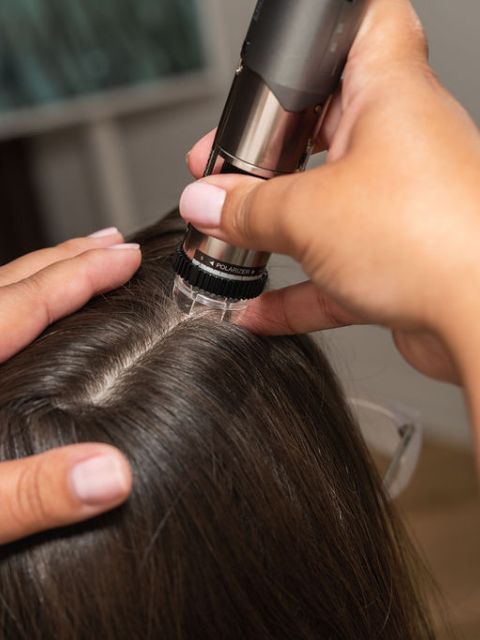
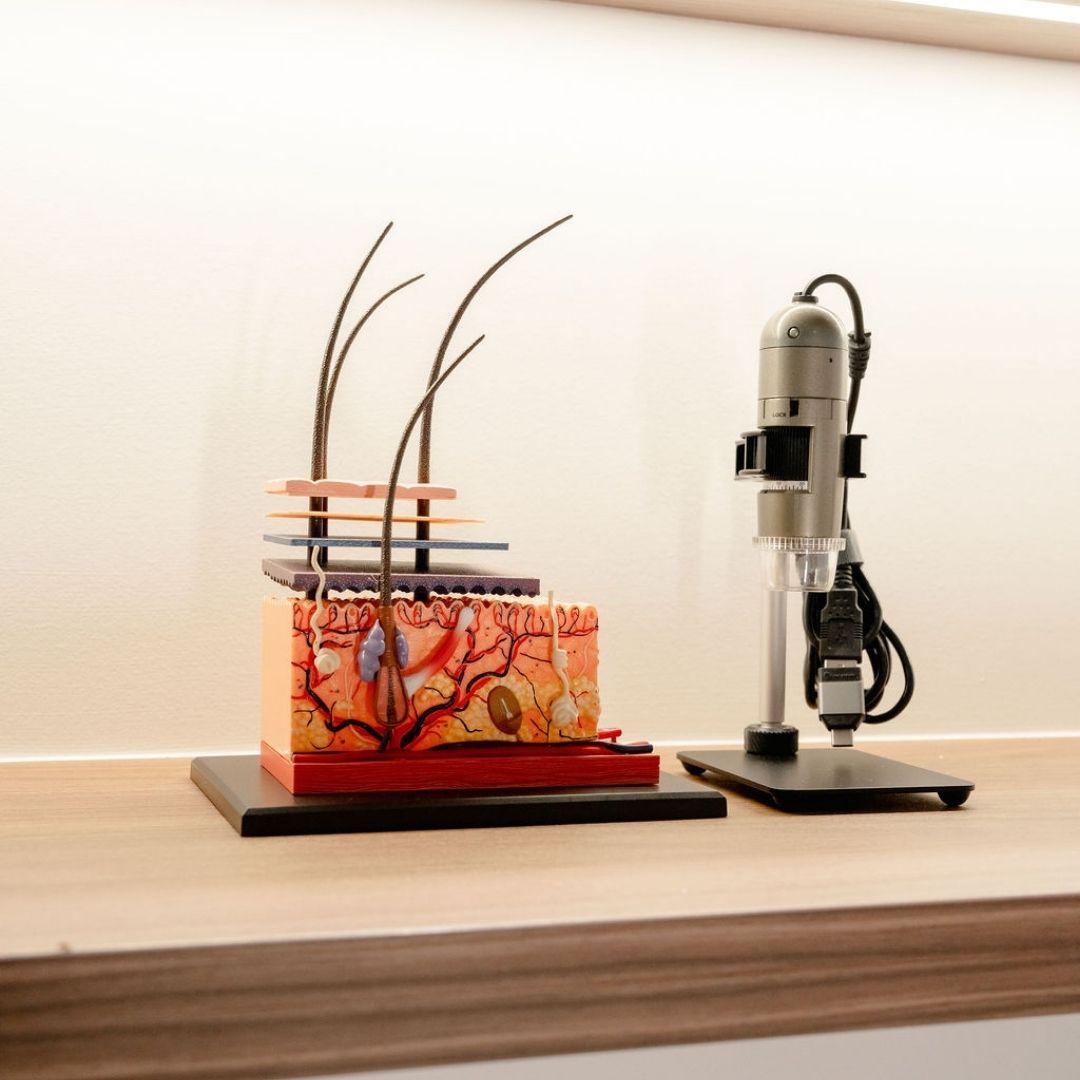
That’s why we assess your scalp first (clinical consultation + trichoscopy) and then tailor the laser protocol.

Our Laser Technologies

Scalp psoriasis requires continuous and mindful care.

Home care is always personalised and focuses on:

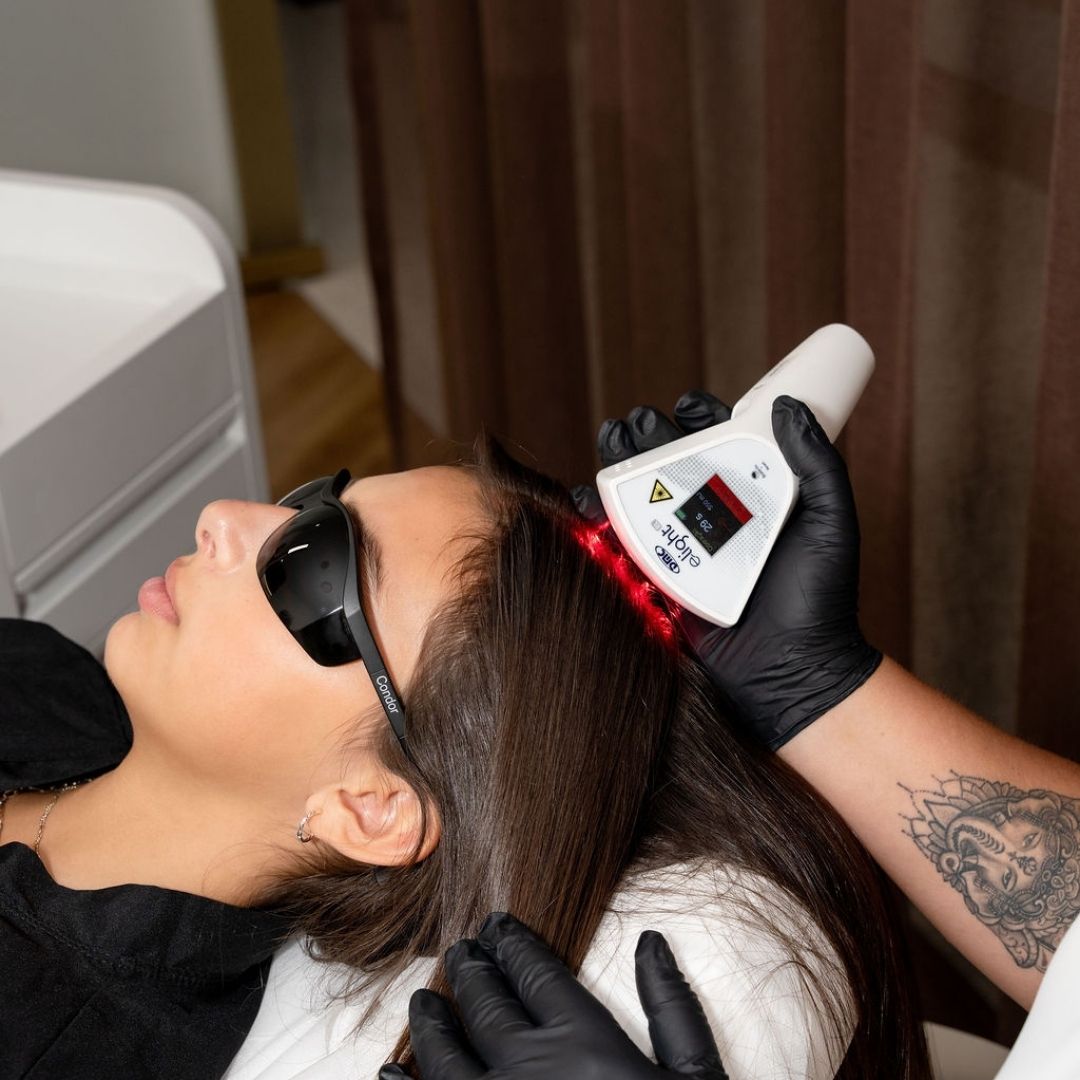
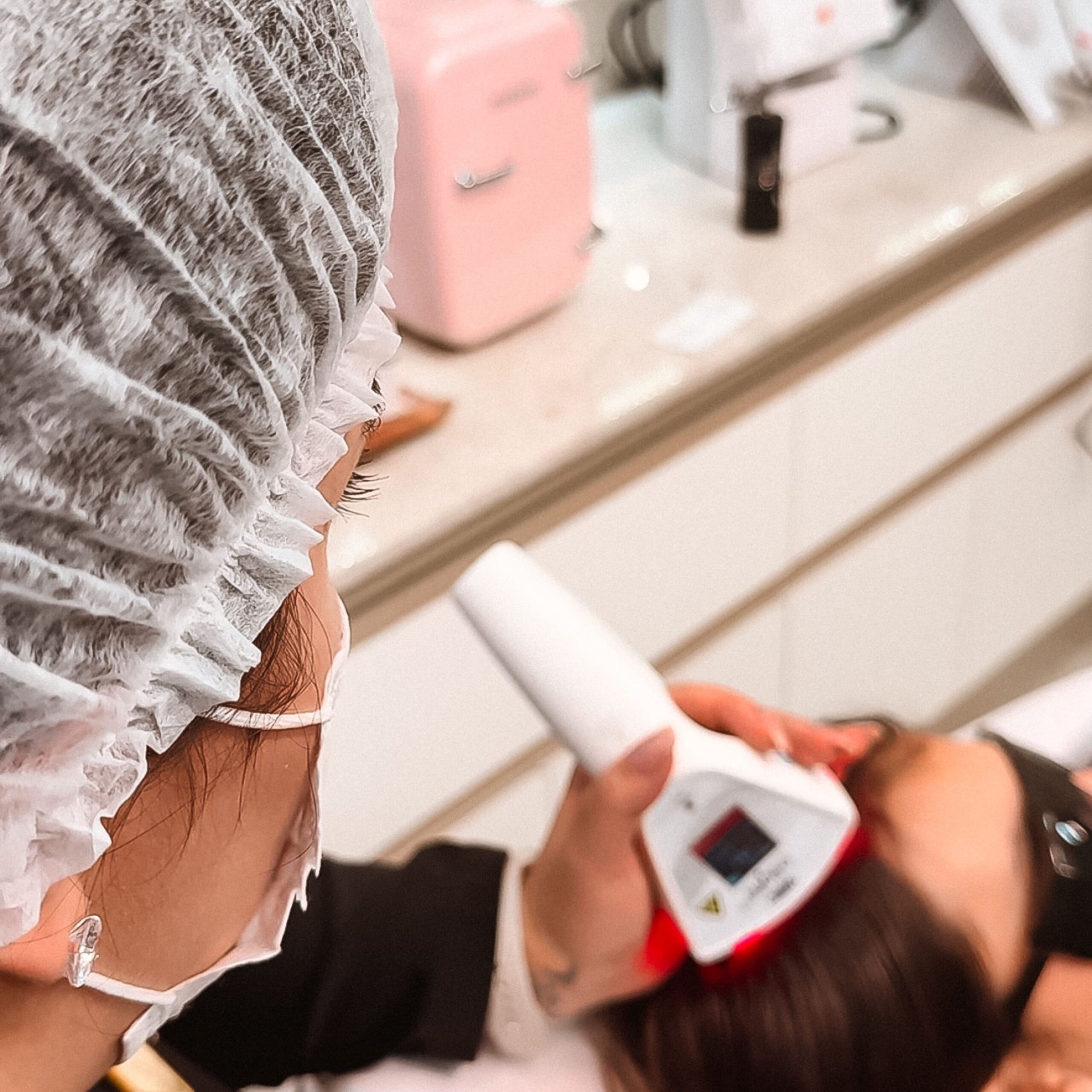
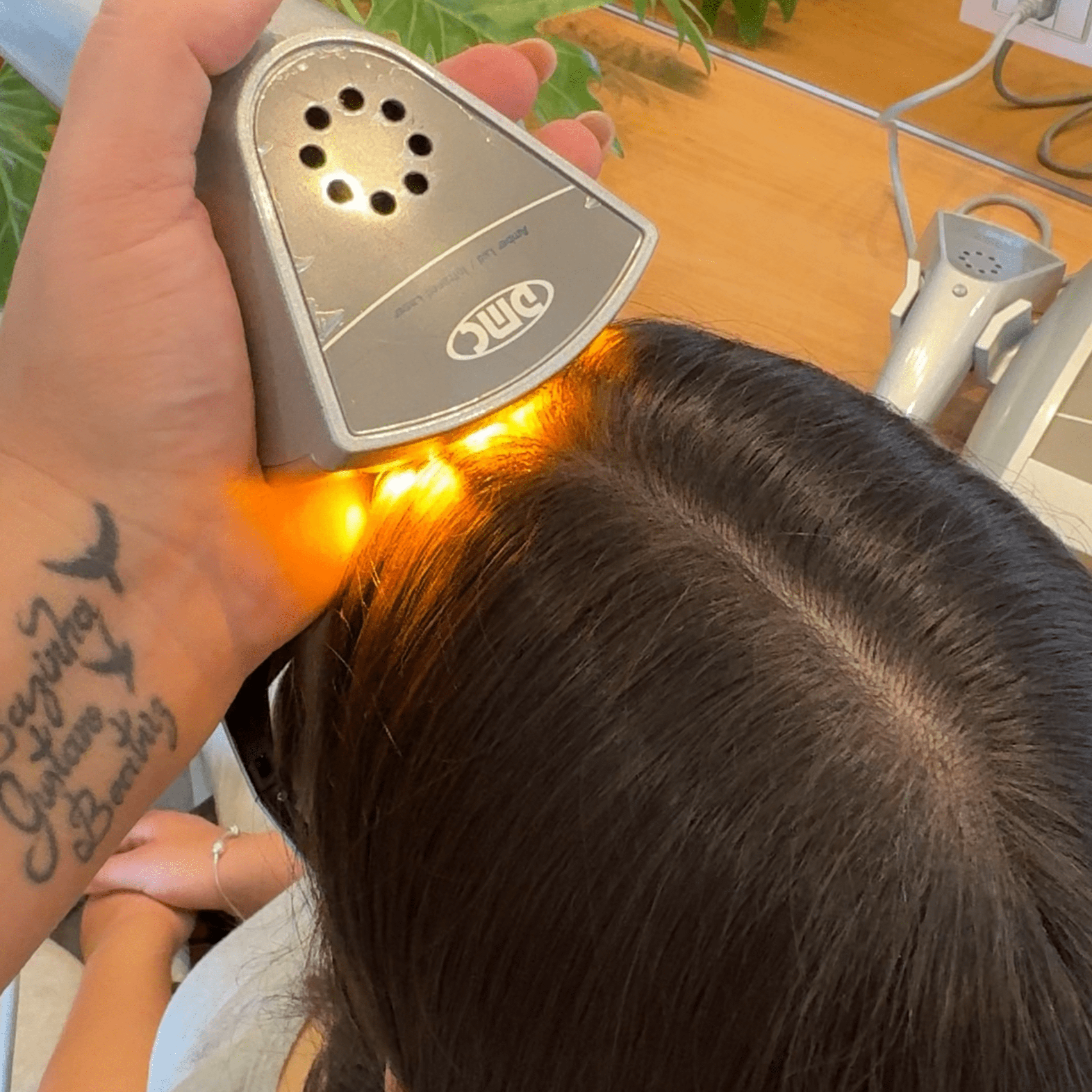
Red Laser (Red Light Therapy)

Best for: scalp health, inflammation control, follicle support, and early-stage hair thinning.

Red laser light is commonly used in scalp care because it helps stimulate the follicle environment while supporting balance in the skin.

Key scalp & hair benefits:

  • supports healthier follicle activity (hair growth cycle support)

  • reduces inflammatory stress on the scalp

  • improves circulation at the surface level

  • helps strengthen weaker, miniaturising hair (common in androgenetic alopecia)

  • supports scalp comfort (itching, tightness, sensitivity)

This is a great option for ongoing maintenance and prevention, especially when hair thinning is progressing gradually.

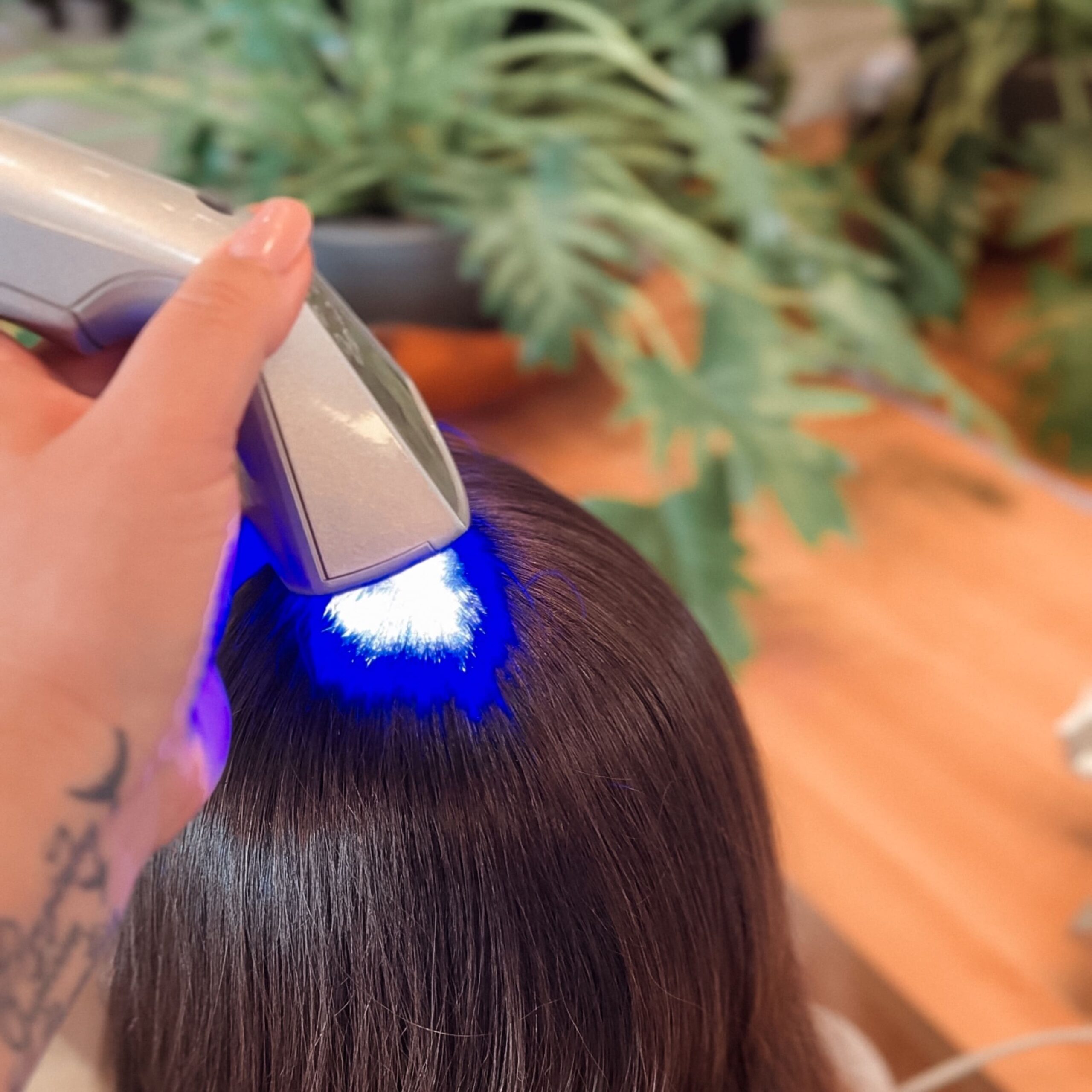
Near-Infrared Laser (Infrared / NIR)

Best for: deeper tissue support, circulation, recovery, and scalp regeneration.

Near-infrared reaches deeper layers than red light, which makes it valuable when we want stronger support for tissue healing and microcirculation.

Key scalp & hair benefits:

  • deeper stimulation to support tissue recovery

  • improved oxygenation and circulation support

  • supports healing (very helpful in post-procedure care)

  • supports follicle resilience during periods of shedding

  • helps reduce deeper inflammatory patterns

Infrared is especially useful when scalp recovery and deeper regulation are priorities.

ILIB (Intravascular Laser Irradiation of Blood)

Best for: systemic inflammation load, circulation support, recovery, and overall wellbeing — which can reflect on the scalp.

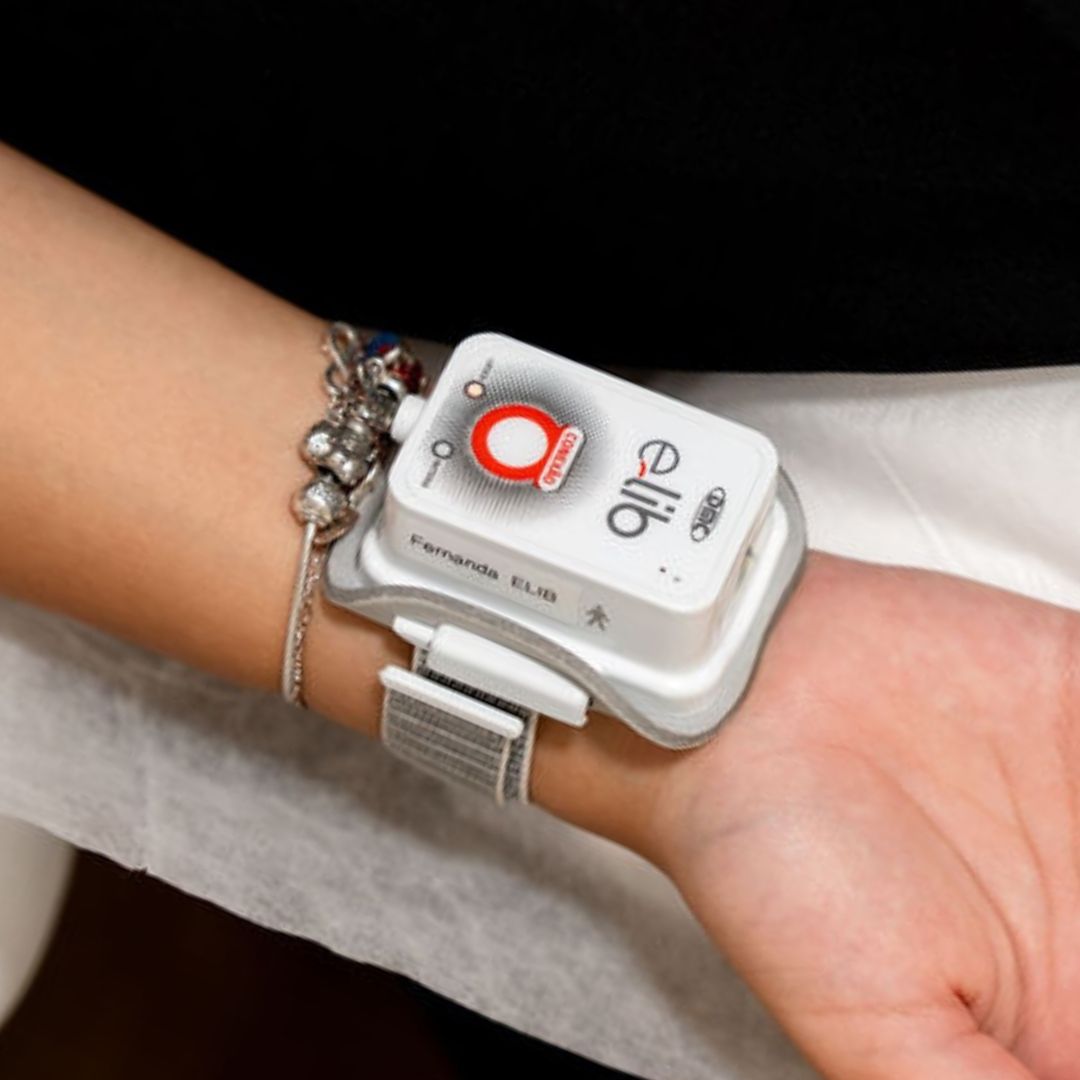
ILIB is a form of low-level laser therapy applied systemically (commonly via a non-invasive wrist method). In trichology, we use ILIB as supportive care because hair and scalp health are influenced by the whole-body environment.

Potential whole-body benefits that can indirectly support hair health:

  • supports circulation and microvascular function

  • supports cellular energy and recovery

  • helps reduce systemic inflammatory burden

  • can support wellbeing, fatigue recovery, and stress load balance

  • may support post-illness recovery (when appropriate)

When the body is overloaded — stress, poor sleep, inflammation, fatigue — the scalp can show it quickly. ILIB can be a valuable complementary tool within a broader plan.

Important: ILIB is supportive and does not replace medical care. If you have health conditions or take medication, we tailor the protocol and may recommend GP/medical guidance.

Conditions we commonly support with LLLT

LLLT can be included in protocols for:

What does a session feel like?

LLLT can be included in protocols for:

LLLT is comfortable and gentle. Most clients feel:

  • mild warmth or relaxing sensation

  • no pain

  • no downtime

Session length and frequency vary depending on your scalp condition and goals, but consistency is key — hair growth is a cycle, not an overnight change.

How many sessions do I need?

This depends on your diagnosis, inflammation level, and goals. In general, laser works best when used in a structured program, not as a one-off.

During your consultation, we create a plan including:

  • frequency (weekly/fortnightly)

  • combination of red + infrared

  • whether ILIB is included

  • scalp preparation (anti-inflammatory care if needed)

  • home care plan (the biggest driver of results)

Who should avoid or discuss first?

LLLT is generally safe, but we assess carefully in cases such as:

  • pregnancy (individual assessment)

  • epilepsy or light sensitivity

  • active scalp infection (needs evaluation first)

  • recent use of photosensitising medication

  • cancer history (medical clearance recommended)

FAQ

Is LLLT safe?
Yes — when clinically applied at the correct parameters and based on a proper assessment.

Does it work alone?
Laser helps, but results are strongest when scalp inflammation, triggers, and home care are also addressed.

Can you combine LLLT with other treatments?
Absolutely. Laser pairs well with scalp therapies, mesotherapy plans (when indicated), and post-transplant programs.

Book a Trichology Consultation in Perth

Ready to start?

If you’re experiencing hair thinning, shedding, scalp sensitivity, or you want a long-term maintenance plan, the best first step is a Scalp Consultation.

Newsletter

Subscribe to our newsletter and receive the latest news, exclusive tips, and cutting-edge innovations in trichology and hair health straight to your inbox!”

Scroll to Top