Tinea Capitis – Fungal Scalp Treatment in Perth

Targeted scalp care for fungal-related scalp conditions

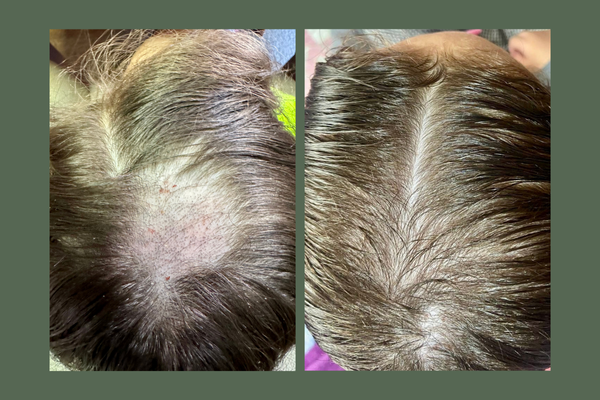
Tinea capitis is a fungal infection of the scalp that may affect both children and adults and requires careful, responsible management.

At Fernanda Paes Trichologist, treatment focuses on controlling fungal imbalance, reducing inflammation, and protecting scalp integrity, rather than aggressive or disruptive techniques.

Understanding Tinea Capitis

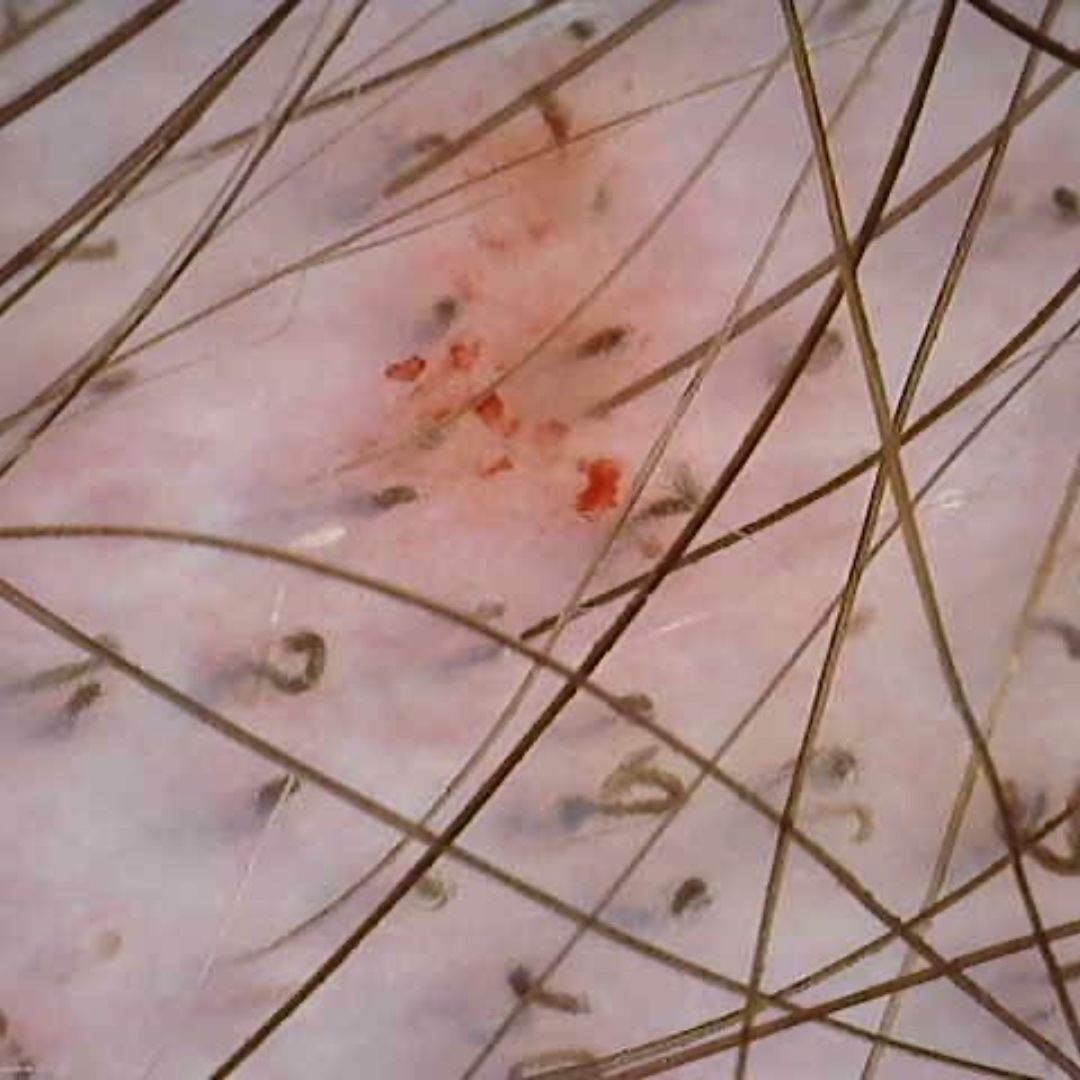
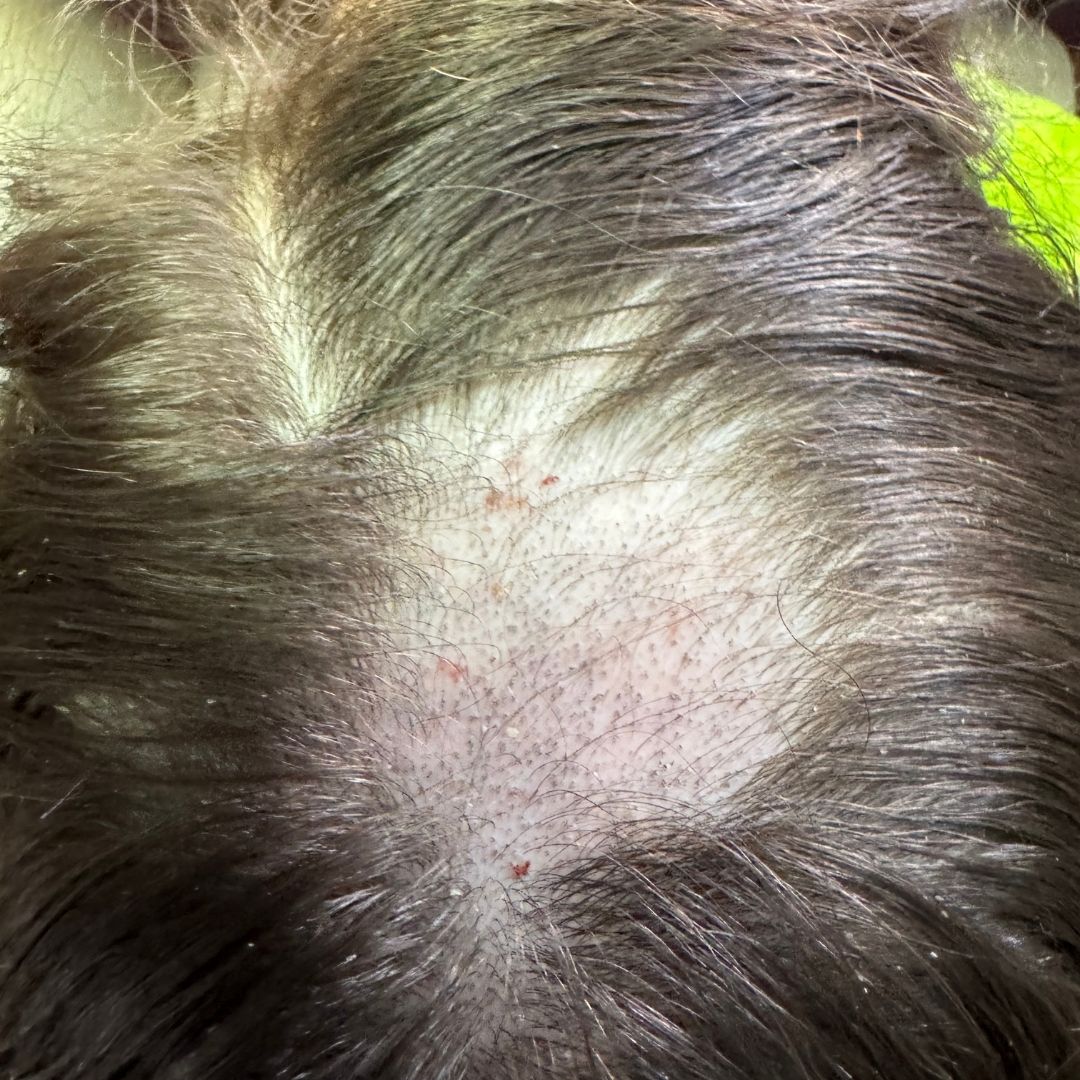
Tinea capitis is caused by dermatophyte fungi and may present with:

In addition to being inflammatory, tinea capitis is contagious, which means treatment must also include hygiene guidance and preventive care.

When not properly managed, the condition may compromise scalp health and interfere with normal hair growth.
Fungal (Tinea Capitis) Treatment

The objective of treatment is not mechanical removal of plaques, but biological control of fungal activity and inflammation.

Aggressive exfoliation can stimulate the scalp’s defense response, leading to increased plaque formation and irritation.

For this reason, treatment prioritizes the use of specific antifungal and soothing actives, allowing plaques to soften and detach naturally, without triggering further inflammation.

Each protocol is adapted to the stage of infection and individual scalp response.

Phototherapy as a Key Ally

The in-salon treatment focuses on purification, anti-inflammatory care, and fungal control, and may include:

  • application of specific antifungal scalp tonics, selected according to scalp condition

  • use of targeted actives that assist plaque removal without aggressive exfoliation

  • cleansing with appropriate antifungal shampoos

  • therapeutic resources to support scalp balance and recovery

  • red laser therapy, when indicated, to help reduce inflammation and support local circulation

Each session is adjusted based on scalp sensitivity, inflammation level, and treatment progression.

Maintenance, Home Care & Medical Follow-Up

Managing tinea capitis requires a combined and continuous approach.

While in-clinic care focuses on external fungal control and scalp balance, medical follow-up may be necessary to assess the need for oral antifungal medication, particularly in active or persistent cases.

Home-care guidance may include:

  • consistent use of a prescribed antifungal shampoo

  • application of an antifungal scalp tonic, as recommended

  • avoiding excessive scalp moisture

  • not sleeping with wet hair

Because tinea capitis is contagious, additional precautions are advised:

  • frequent washing of bed linens, pillowcases, and towels

  • avoiding sharing brushes, combs, hats, or hair accessories

  • proper hygiene of personal scalp tools

These measures are essential to prevent reinfection and transmission.

Long-Term Scalp Health

In trichology, treating tinea capitis means:

controlling inflammation, managing fungal imbalance, and protecting the scalp in a responsible and sustainable way.

Scalp health is monitored over time, and treatments are adjusted to ensure comfort, safety, and long-term balance.

Book a Trichology Consultation in Perth

If you are experiencing symptoms of tinea capitis or persistent scalp scaling, a professional assessment is essential.

A trichology consultation allows us to evaluate your scalp condition and define the most appropriate and safe treatment strategy.

Newsletter

Subscribe to our newsletter and receive the latest news, exclusive tips, and cutting-edge innovations in trichology and hair health straight to your inbox!”

Scroll to Top